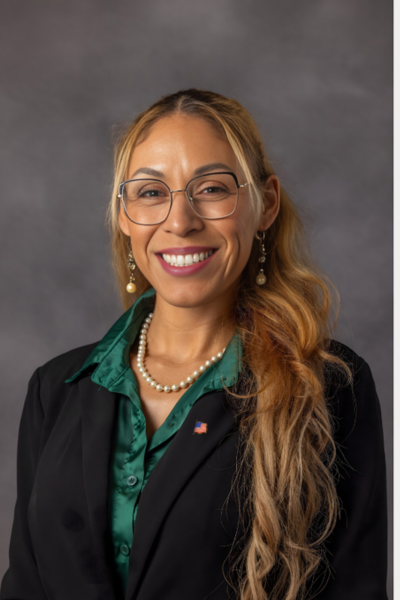
What knowledge, skills and experiences have prepared you to serve as an Alvin ISD Board Trustee?
I bring a combination of lived experience, professional leadership, and public service that has prepared me to serve effectively as a trustee. I am a combat Army veteran, where I was responsible not only for mission execution, but also for the accountability of soldiers and equipment. That experience taught me discipline, leadership, and how to make decisions that directly impact others. During my service my job as a paralegal, lead to a strong development and understanding of compliance, policy, and implementation —ensuring standards were followed and processes carried out with integrity.
Post military- Professionally, I have led national-level programming focused on community and volunteer engagement and mental and behavioral health. I hold a master’s degree in sociology with a focus in these areas and serve as an instructor in mental health first aid education. This work allows me to lead with both strategy and empathy—understanding systems while staying grounded in the needs of people.
I am also a mother of two students in Alvin ISD, and my spouse serves this district as a school police officer. I understand our schools from multiple perspectives. I bring experience in leadership, governance, and accountability—and a commitment to making informed, strategic and effective decisions.
As a candidate for the school board, how will you ensure every student feels included, respected, represented, and protected—regardless of religion, sex, or disability—and how will you keep classroom instruction focused on academic learning and critical thinking rather than religious instruction?
Every student deserves to feel safe, seen, and supported when they walk into a classroom. That starts with clear expectations, consistent policies, and accountability across all campuses—but it also requires a culture where students and staff feel psychologically safe. The role of a trustee is governance. That includes reviewing and adopting policy, and holding the superintendent accountable for how those policies are implemented. The superintendent manages the day-to-day operations, but as a trustee, I am responsible for ensuring systems are working and that leadership is held accountable.
I will prioritize creating a culture where students, staff, and families are not afraid to speak up—where concerns are taken seriously and addressed, not dismissed. Psychological safety matters, and people need to know their voices lead to action. At the same time, I will fully uphold my role as a trustee by ensuring leadership is not just acknowledging issues, but addressing them. That means accountability, follow through, and enforcement of policies and procedures—not just lip service. This work cannot happen without our educators. Teachers wear multiple hats every day—they are instructors, mentors, and often a first line of support for students. For students to feel safe and supported, our educators must feel safe, seen, and supported as well. I will be transparent, present, and engaged, ensuring our community can see and feel the difference.
Schools face competing pressures — retaining teachers, sustaining extracurricular programs (athletics and the arts), educational excellence, and keeping class sizes manageable — all within constrained budgets. As a school board candidate, what specific approach would you take to balance these priorities so students receive high quality instruction and teachers are supported and retained?
Balancing these priorities starts with listening to the people closest to the work—our teachers, staff, students, and families. Teacher retention must remain a priority. That means creating manageable workloads, fostering a positive and supportive culture, and ensuring educators feel respected and valued in their roles. When educators are supported, students benefit. We also cannot treat extracurricular programs as optional. Athletics, fine arts, and student organizations play a critical role in student engagement, confidence, and overall development. These programs often keep students connected to school and should be protected as part of a well-rounded education.
From a governance perspective, this requires strategic budgeting and strong community collaboration. The board should prioritize transparency, long-term planning, and responsible use of resources while also exploring partnerships with local organizations, businesses, and community groups. These partnerships can expand opportunities for students without placing the full burden on the district. Community engagement is key. When families, educators, and community partners are part of the conversation, we make better, more informed decisions. There is no single solution—but through collaboration, thoughtful planning, and a focus on both student and educator needs, we can create a system that supports high-quality instruction while remaining fiscally responsible.
Recently, several books have been challenged or removed in our district and elsewhere. Parents already have the ability to opt their child out of individual books. As a school board candidate, what is your view on which types of books should be subject to removal from school libraries, and under what circumstances — if any — should the board override a library review committee decision to remove a title for all students? Titles often cited include: The Catcher in the Rye; Brave New World; Lonesome Dove; 1984; The Color Purple; To Kill a Mockingbird; Of Mice and Men; Beloved; The Bluest Eye; The Handmaid’s Tale; The Kite Runner; Maus; All Boys Aren’t Blue.
I believe we should be focused on improving literacy, not limiting access to it. Across Texas and nationally, reading proficiency remains a challenge. Our focus should be on ensuring students are reading at grade level, building comprehension, and developing critical thinking skills. Access to a wide range of books supports that goal.
Many of the titles being challenged are longstanding works that encourage discussion, perspective-taking, and deeper understanding of history and society. Removing books entirely for all students should not be the default response. Parents and caregivers already have the ability to guide what their individual child reads, and that should be respected. However, those individual choices should not limit access for all students.
At the same time, if books are being consistently challenged or removed, that signals a need to review the process itself. As a trustee, my role would be to ensure there is a clear, transparent, and consistent review process in place—one that includes educators and subject-matter experts, and is applied fairly across all materials. We should also be honest about what is being challenged and why. In many cases, these books reflect diverse perspectives and lived experiences. We should not isolate those perspectives, but instead encourage thoughtful engagement and learning. Our goal should be to support strong readers and critical thinkers, not restrict access in ways that limit growth.
Artificial intelligence tools are becoming more common in education, offering potential benefits and raising new concerns. As a school board candidate, what do you see as the productive uses of AI in our schools, and what risks or limits should the district address as the technology becomes more prevalent?
I’m a bit old school—I value critical thinking that comes from reading, writing, and doing the work of researching and learning. That said, I do see the benefits of artificial intelligence. When used appropriately, it can be a helpful tool to support learning, provide quick access to information, and act as an enhancer—almost like a modern-day encyclopedia.
As more research and guidance continue to develop, I believe there will be effective ways to integrate AI into education. However, we must maintain a healthy balance. AI should support learning, not replace the thinking and effort that students need to develop real understanding.
Many students plan to enter the workforce directly after high school. Do you believe the district should expand vocational and career technical opportunities—including practical areas like personal finance—so students can graduate with strong, job ready skills? What role should the school board play in ensuring these pathways are accessible to all students?
Absolutely—and we already have a strong foundation with programs like JB Hensler College and Career Academy. JB Hensler provides students with hands-on learning and the opportunity to earn industry-recognized certifications in fields like healthcare, skilled trades, technology, and public safety. These are real, job-ready skills that can lead directly into the workforce or continue into higher education.
Programs like this are high-value and in high demand. That means we should be asking whether access is keeping pace with student interest and how we can expand opportunities so more students can benefit. Career and technical education does require strategic investment—equipment, instructors, and resource —but it also provides a strong return by preparing students for in-demand careers. Through partnerships with local industry and community organizations, we can continue to strengthen and grow these programs.
Not every student will take the same path after graduation—and that’s okay. Our responsibility is to ensure every student has access to opportunities that prepare them for success. As a trustee, I would prioritize expanding access, strengthening partnerships, and ensuring these pathways are available to all students across the district. If we have programs that lead directly to certification and employment, we should be doing everything we can to make sure more students can access them.
What do you feel are the top priorities for the Alvin ISD School Board within the next 3 years?
Based on publicly available information, Alvin ISD is currently operating under a 2023–2026 strategic plan focused on student learning, safety and wellness, community engagement, and financial stewardship. While I am not currently at the board table to determine whether the next three-year plan has been finalized, I recognize we are also in the middle of a superintendent search—making this a critical time for alignment and forward planning.
As a trustee, my priority would be ensuring that whatever strategic direction is set is not only clearly defined, but consistently implemented, measured, and communicated to the community.
I would expand on a few key areas. First, student safety—this includes not only physical safety, but mental health and psychological safety, ensuring students feel supported and ready to learn. Second, teacher support—focusing on manageable workloads, strong campus culture, and retention. Third, community engagement—moving beyond communication to true collaboration, where families and community partners are actively involved in shaping outcomes. I would also prioritize strategic budgeting and resource alignment to ensure we are meeting the needs of a growing district while maintaining transparency and accountability. My goal is to help ensure that our priorities are not just plans on paper, but actions our community can see and trust.