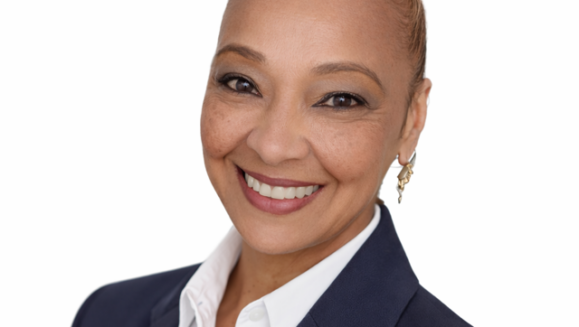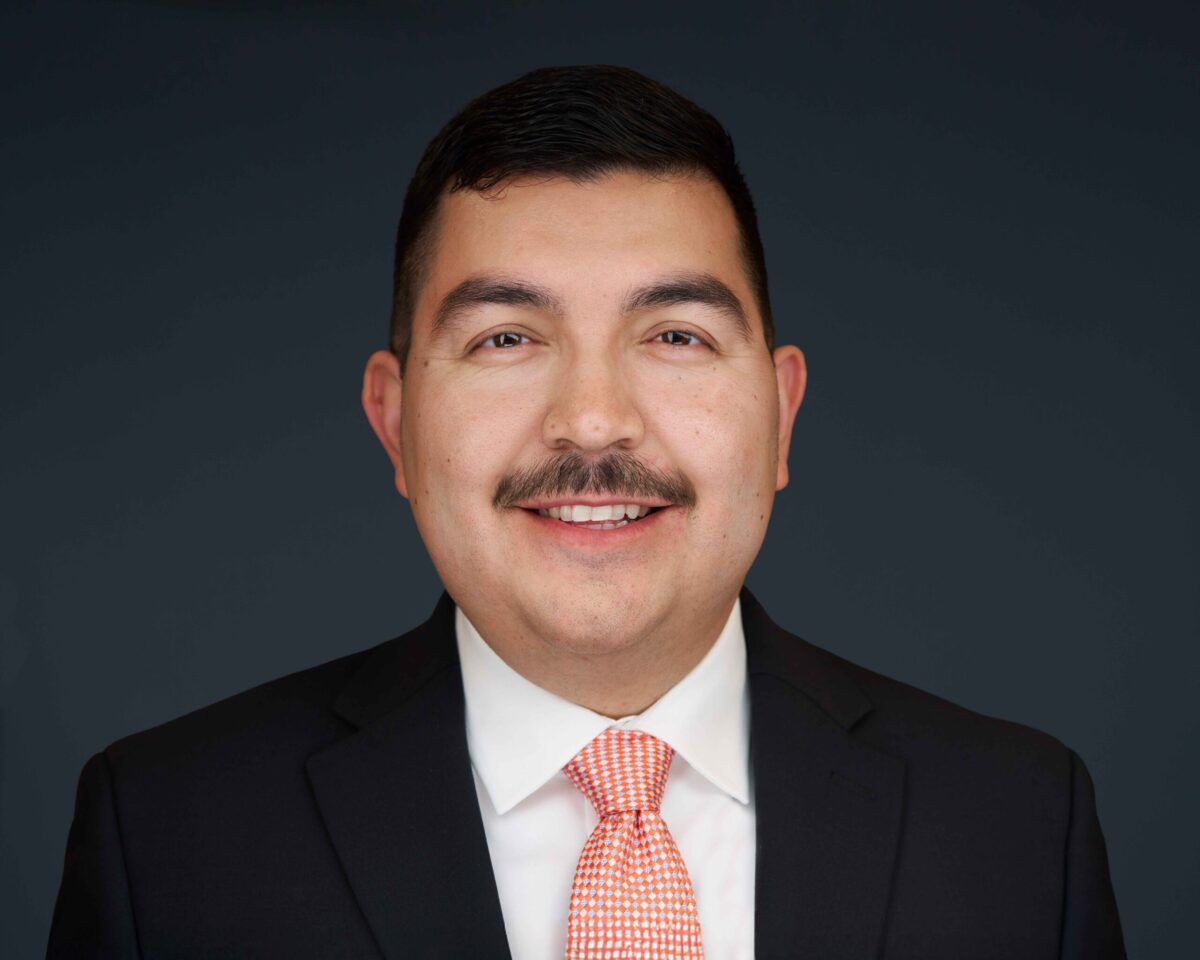
What knowledge, skills and experiences have prepared you to serve as an Alvin ISD Board Trustee?
I bring a combination of public school experience, analytical problem solving, and service to this community.
I am an Alvin ISD alumnus, former educator in the district, engineer, parent with children attending Alvin ISD schools, and firefighter. I have worked directly with students, understood the realities teachers face, and seen how district-level decisions affect real classrooms. My engineering background trained me to look at systems, use data, and ask hard questions before making decisions. My leadership work outside the classroom has included operations, budgeting, program oversight, and community engagement.
Just as important, I understand the role of a trustee. The board does not run campuses day to day. Its job is to set direction, oversee the budget, hold the Superintendent accountable, and make sure district priorities stay focused on student success, team support, and responsible operations. Alvin ISD’s strategic plan is built around those exact areas.
I believe public schools need leaders who respect educators, believe in accountability, and understand that strong schools are the foundation of strong communities. My background gives me the ability to look at both the human side and the systems side of school governance.
I am running because I believe Alvin ISD deserves leadership that is thoughtful, transparent, student-centered, and prepared to make decisions based on what is best for all students and families.
As a candidate for the school board, how will you ensure every student feels included, respected, represented, and protected—regardless of religion, sex, or disability—and how will you keep classroom instruction focused on academic learning and critical thinking rather than religious instruction?
Every child in Alvin ISD deserves to feel safe, respected, and fully welcome in our schools.
As a trustee, I would support clear expectations that every student is treated with dignity, regardless of religion, sex, or disability. That means taking nondiscrimination protections seriously, supporting Title IX compliance, honoring special education obligations, and expecting concerns from students and families to be handled consistently and fairly. Alvin ISD publicly posts its nondiscrimination statement, Title IX resources, grievance pathways, and bullying reporting access. Those protections should be real in practice, not just available on a website.
Schools must remain focused on public education. Classrooms should be centered on reading, writing, math, science, history, civic understanding, and critical thinking. Students are free to hold their own personal beliefs, and families should guide faith formation at home and in their religious communities. But public school employees should not use the classroom to promote religion.
My position is straightforward: protect every student, respect every family, and keep instruction grounded in academic standards and evidence. Strong public schools do not sort children into who belongs and who does not. They prepare students to think, learn, and participate in a diverse democracy.
Schools face competing pressures — retaining teachers, sustaining extracurricular programs (athletics and the arts), educational excellence, and keeping class sizes manageable — all within constrained budgets. As a school board candidate, what specific approach would you take to balance these priorities so students receive high quality instruction and teachers are supported and retained?
You do not balance competing pressures by pretending everything is equal. You rank priorities, measure outcomes, and protect what has the biggest impact on students.
My first priority would be strong classroom instruction. That means supporting teacher recruitment and retention, because great schools are built on great teachers. Compensation matters, but so do workload, planning time, campus support, discipline consistency, and professional respect. If we want retention, we have to treat teachers like professionals, not replaceable parts.
Second, I would protect manageable class sizes in the grades and subject areas where they most affect learning. Bigger classes may look efficient on paper, but they often create costs elsewhere through burnout, discipline issues, and weaker academic outcomes.
Third, I would continue supporting extracurricular programs, including athletics and the arts, because they build belonging, discipline, and confidence. These programs are not side issues. For many students, they are the reason they stay connected to school.
My budget approach would be to demand outcome-based budgeting. Before expanding spending, I want to know what is working, what is duplicative, and what directly benefits students. The board’s job is not to run daily operations, but it is our job to ask tough questions, set priorities, and make sure the budget reflects district goals. Alvin ISD’s strategic framework is built around teaching and learning, team support, and finance and operations, and that is the lens I would use.
Recently, several books have been challenged or removed in our district and elsewhere. Parents already have the ability to opt their child out of individual books. As a school board candidate, what is your view on which types of books should be subject to removal from school libraries, and under what circumstances — if any — should the board override a library review committee decision to remove a title for all students? Titles often cited include: The Catcher in the Rye; Brave New World; Lonesome Dove; 1984; The Color Purple; To Kill a Mockingbird; Of Mice and Men; Beloved; The Bluest Eye; The Handmaid’s Tale; The Kite Runner; Maus; All Boys Aren’t Blue.
Alvin ISD’s library policy states that collections should support student achievement, present a variety of viewpoints, include accurate content from authoritative sources, and reflect diverse backgrounds and cultures. It also provides a challenge process and allows parents to restrict what their own child may check out.
That is the right starting point. I support removal when a title clearly fails age-appropriateness standards, lacks educational value, or does not meet district policy or state law. I do not support broad removal simply because a book is uncomfortable, controversial, or presents difficult history or human experience.
In most cases, I would defer to a serious review committee that has actually read the material, applied policy, and documented its reasoning. A board should not casually override that process. If the board ever does intervene, it should be because there is a clear procedural failure, a misapplication of policy, or compelling evidence that the committee got it wrong, not because of pressure.
Parents absolutely should have a strong voice in what their own children read. But one parent should not automatically decide for every family in the district. Public school libraries should be responsible, age-appropriate, and broad enough to serve a diverse student body.
Artificial intelligence tools are becoming more common in education, offering potential benefits and raising new concerns. As a school board candidate, what do you see as the productive uses of AI in our schools, and what risks or limits should the district address as the technology becomes more prevalent?
AI can be useful in schools, but only if we approach it with discipline.
The productive uses are clear: helping teachers save time on lesson supports, differentiation, practice materials, translation, tutoring support, and administrative tasks that pull them away from students. AI can also help personalize learning when it is used to support instruction rather than replace the teacher.
The risks, however, are real and need to be talked about. Students can use AI to avoid thinking instead of strengthening thinking. AI can produce inaccurate information, introduce bias, and create privacy and cybersecurity concerns. That means districts need guardrails around data protection, staff training, academic integrity, and age-appropriate use.
My position is that AI should support human teaching, not substitute for it. Students still need to read, write, solve problems, and think for themselves. Teachers still need professional judgment. The district should establish clear expectations for when AI is allowed, what student data can be shared, how output is verified, and how misuse is addressed.
The right approach is not fear and it is not blind adoption. It is thoughtful use, strong policy, and constant attention to whether the tool is actually improving learning.
Many students plan to enter the workforce directly after high school. Do you believe the district should expand vocational and career technical opportunities—including practical areas like personal finance—so students can graduate with strong, job ready skills? What role should the school board play in ensuring these pathways are accessible to all students?
Yes. Absolutely.
College should be a strong option, but it should not be treated like the only respectable outcome. Students who want to enter the workforce, pursue skilled trades, earn certifications, or build a career through technical pathways deserve serious investment and real respect.
Alvin ISD already has CTE programs at every secondary campus and a career center, and those programs are intended to prepare students for both employment and continued education. I support expanding strong pathways tied to workforce demand, industry certifications, internships, and hands-on learning. I also believe practical skills like personal finance, communication, and workplace readiness matter. Too many students graduate without enough preparation for the real decisions adult life requires.
The board’s role is to make sure these pathways are not second-tier options. Trustees should ask whether access is equitable across campuses, whether programs align with labor market needs, whether students can actually complete coherent sequences, and whether transportation, scheduling, or awareness barriers are shutting students out.
My view is for an Alvin ISD that understands that future-ready means college, career, or military, and that as we continue to grow, the district honors all three.
What do you feel are the top priorities for the Alvin ISD School Board within the next 3 years?
My top priorities over the next three years would be these:
First, strengthen academic outcomes. We need to keep raising student performance and make sure every campus is moving in the right direction. That means focusing on strong teaching, early intervention, and consistent expectations. I want to see Alvin ISD move from a B-rated district to an A-rated district in the next three years.
Second, support and retain high-quality teachers. Recruitment matters, but retention matters more. We need to create conditions where great teachers want to stay.
Third, manage growth responsibly. Alvin ISD is a growing district, so the board has to think ahead on facilities, staffing, transportation, and long-term financial sustainability. The district’s planning documents already reflect the importance of strategic planning and demographic study, and that work must stay front and center.
Fourth, keep students safe and supported. Safety includes campus security, but it also includes school culture, student support systems, and making sure students feel seen and respected.
Fifth, expand future-ready opportunities. That includes strong academics, fine arts, athletics, CTE, and practical preparation for life after graduation.
Finally, rebuild and maintain trust through transparency and accountability. Families should understand how decisions are made, how money is spent, and whether district goals are being met.
The board cannot do everything. But it can set clear priorities, hold the system accountable, and make sure every major decision answers one question: does this help students succeed?