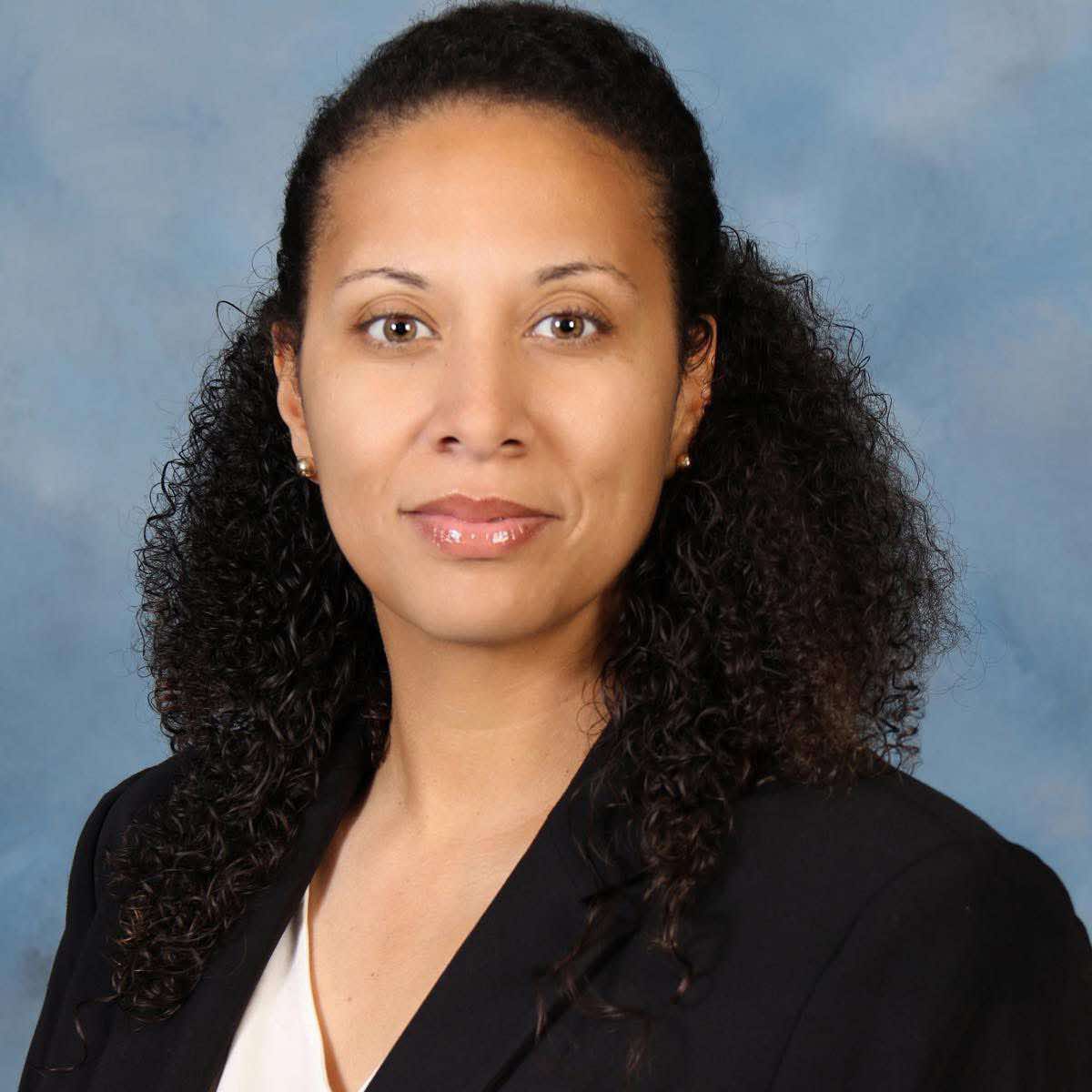
What knowledge, skills, and experiences have prepared you to serve as a City Council member?
My professional experience has centered on serving diverse communities, managing complex systems, and making decisions that directly affect families’ daily lives. I have spent years working in leadership roles where I am responsible for budget oversight, staff support, long-range planning, compliance, and public accountability. These roles require listening carefully, weighing competing priorities, and ensuring decisions are fair, transparent, and sustainable.
I bring strong skills in collaboration, communication, and problem-solving, particularly in environments where growth, limited resources, and community expectations intersect. I am accustomed to working with multiple stakeholders—staff, families, governing bodies, and community partners—and ensuring everyone has a voice in the process.
Most importantly, I bring a people-first mindset. I believe government works best when leaders are accessible, prepared, and grounded in the real experiences of residents. That approach will guide how I serve Pearland.
How do you balance individual property owners’ rights to use and improve their homes to meet their family needs with the city’s responsibility to prevent adverse outcomes to the general public? What changes to Pearland’s zoning, permitting, or enforcement rules would you support to give owners more flexibility while protecting the broader community?
I believe property owners should have flexibility to adapt their homes to meet family needs(aging parents, multi-family homes), while the city must also ensure public safety, neighborhood stability, and infrastructure capacity. These goals are not in conflict when policies are clear, consistent, and fairly enforced.
As a council member, I would support:
- Clearer zoning and permitting guidelines written in plain language.
- Streamlined permitting processes at so homeowners are not spending an exorbitant amount of money on home additions, just to be denied by City Council.
- Regular review of zoning rules to ensure they reflect how families live today, not just how neighborhoods were designed decades ago.
Good governance means protecting the community while treating residents as partners—not adversaries—in that process.
What is your philosophy on using grant funding to advance community priorities — such as expanding public transportation, developing community places, improving emergency‑notification systems, and supporting workforce and resilience projects? How do you balance actively pursuing funding tools available to the city with ensuring those projects are sustainable and deliver clear benefits to residents?
Grant funding is a valuable tool when used strategically and responsibly. I support pursuing grants that align with Pearland’s long-term goals—such as improving mobility, strengthening emergency communications, enhancing community spaces, and supporting workforce and resilience initiatives—but only when there is a clear plan for sustainability.
My approach is guided by three questions:
- Does this address a real, identified community need?
- Can the city maintain the project after grant funding ends?
- Will residents see measurable, meaningful benefits?
Grants should complement—not replace—responsible budgeting. Transparency around grant commitments, long-term costs, and outcomes is essential to maintaining public trust.
Pearland is growing rapidly; how will you ensure the city consistently funds and maintains core services — roads, water, drainage, and public safety — while accommodating new development?
Rapid growth requires disciplined planning and proactive investment. Core services—roads, water, drainage, and public safety—must always come first.
I support:
- Growth paying its fair share, so new development does not strain existing neighborhoods and businesses.
- Long-term capital planning that anticipates infrastructure needs before problems arise.
- Regular maintenance schedules to protect existing assets and avoid costly emergency repairs.
- Data-driven decisions to prioritize projects based on safety, usage, and impact.
Responsible growth means ensuring Pearland remains reliable, safe, and functional—not just bigger.
As a council member, how will you advocate for stronger employee benefits and workplace support to reduce turnover and retain talent, guided by the values of equity, fiscal responsibility, transparency, respect for workers, and commitment to reliable city services?
City employees are the backbone of reliable public services. Retaining talented staff requires fair compensation, competitive benefits, supportive work environments, and respect for the work they do. In the City of Pearland, employee turnover rate for the past 3 years has been significant.
As a council member, I will advocate for:
- Adequate onboarding and training.
- Transparent review of compensation and benefits to remain competitive with peer cities.
- Workplace policies that support well-being and retention, including professional development
- Open communication with employees so leadership understands challenges before turnover continues to increase.
- Fiscal responsibility, ensuring investments in staff are sustainable and tied to service quality.
Supporting employees is not just the right thing to do—it directly benefits residents who rely on consistent, high-quality services.
Pearland spans three counties, has multiple ETJs, and several school districts. Some residents feel divided between older subdivisions and areas west of SH‑288. As a Council Member, what specific commitments will you make to ensure every resident feels heard, represented, and part of the same city?
Pearland’s geography and growth should be a strength, not a divider. As a council member, I commit to showing up for every part of the city, not just during election season.
My commitments include:
- Regular engagement across all areas of Pearland, including older neighborhoods, west Pearland, and ETJs.
- Clear communication about decisions and how resident input influences outcomes.
- Collaboration across counties and school districts to address shared challenges
- Respectful listening, even when opinions differ.
- Creating a resident committee that will include members from each area of Pearland to establish ideas and events to bring the community together.
Every resident deserves to feel seen, valued, and represented—regardless of the side of Pearland live on, type of dwelling or how long they’ve lived here.
What do you see as the city’s main challenges and opportunities over the next three years?
Pearland is at an important crossroads. One of our key challenges is managing rapid growth while ensuring infrastructure, public safety, and city services keep pace. At the same time, declining enrollment in Pearland schools is a concern that affects families, neighborhood stability, and the long‑term vitality of our community. While school districts are independent entities, city leadership has a responsibility to understand the factors contributing to enrollment declines—such as housing affordability, changing demographics, and infrastructure needs—and to work collaboratively with school districts to support strong, family‑friendly neighborhoods. I also believe it is important to recognize teachers and school staff as essential community partners, whose work directly impacts the strength, stability, and future of Pearland.
Other challenges include retaining a skilled municipal workforce, maintaining aging infrastructure, managing drainage and flood mitigation, and ensuring affordability and quality of life as development continues.
At the same time, Pearland has significant opportunities. We can strengthen coordination between the city, school districts, and community partners; plan development that supports families at all stages of life; invest in infrastructure that enhances safety and mobility; and leverage technology and data to improve service delivery. With intentional planning, transparent leadership, and a focus on people, Pearland can address today’s challenges while building a more connected, resilient, and welcoming city for the future.